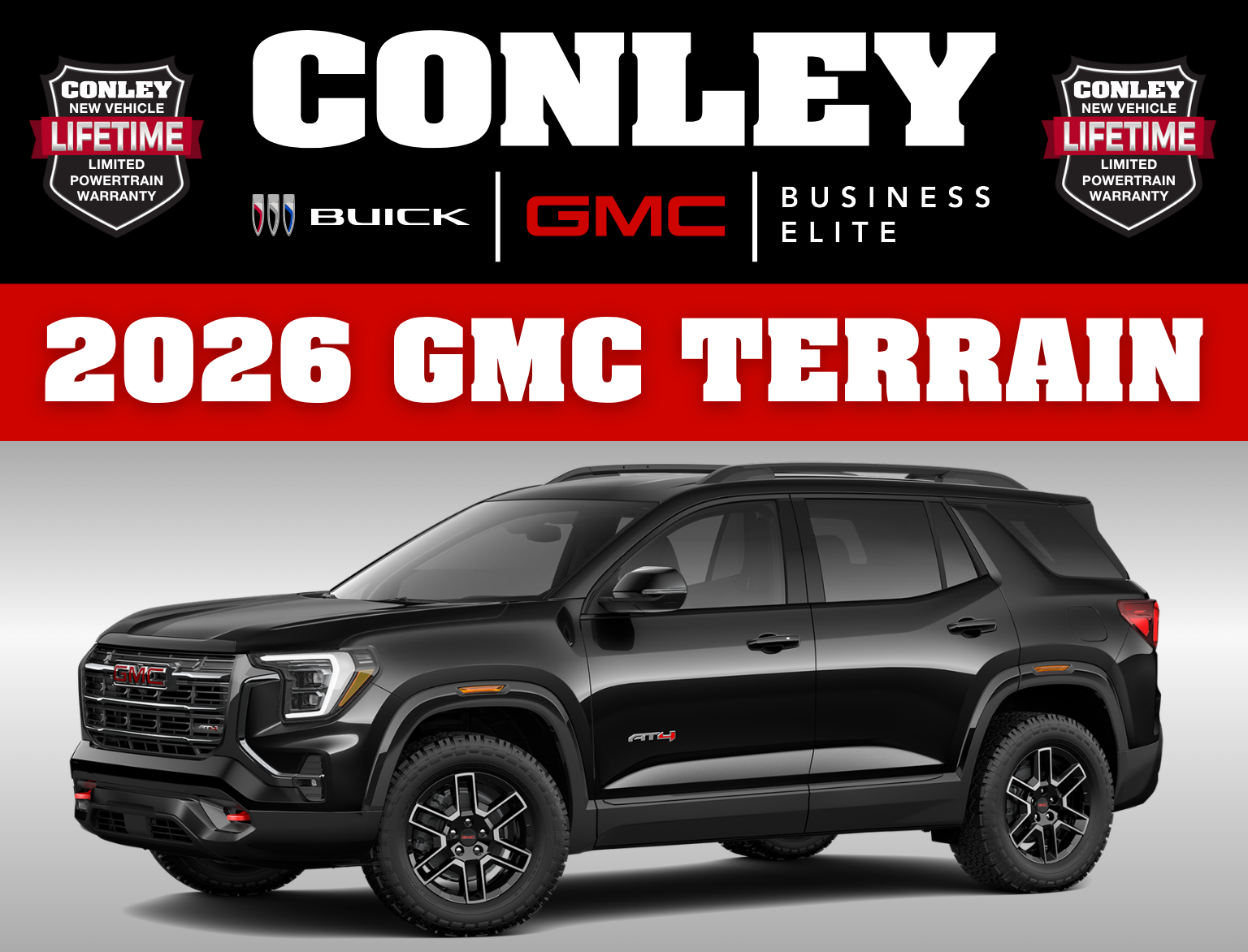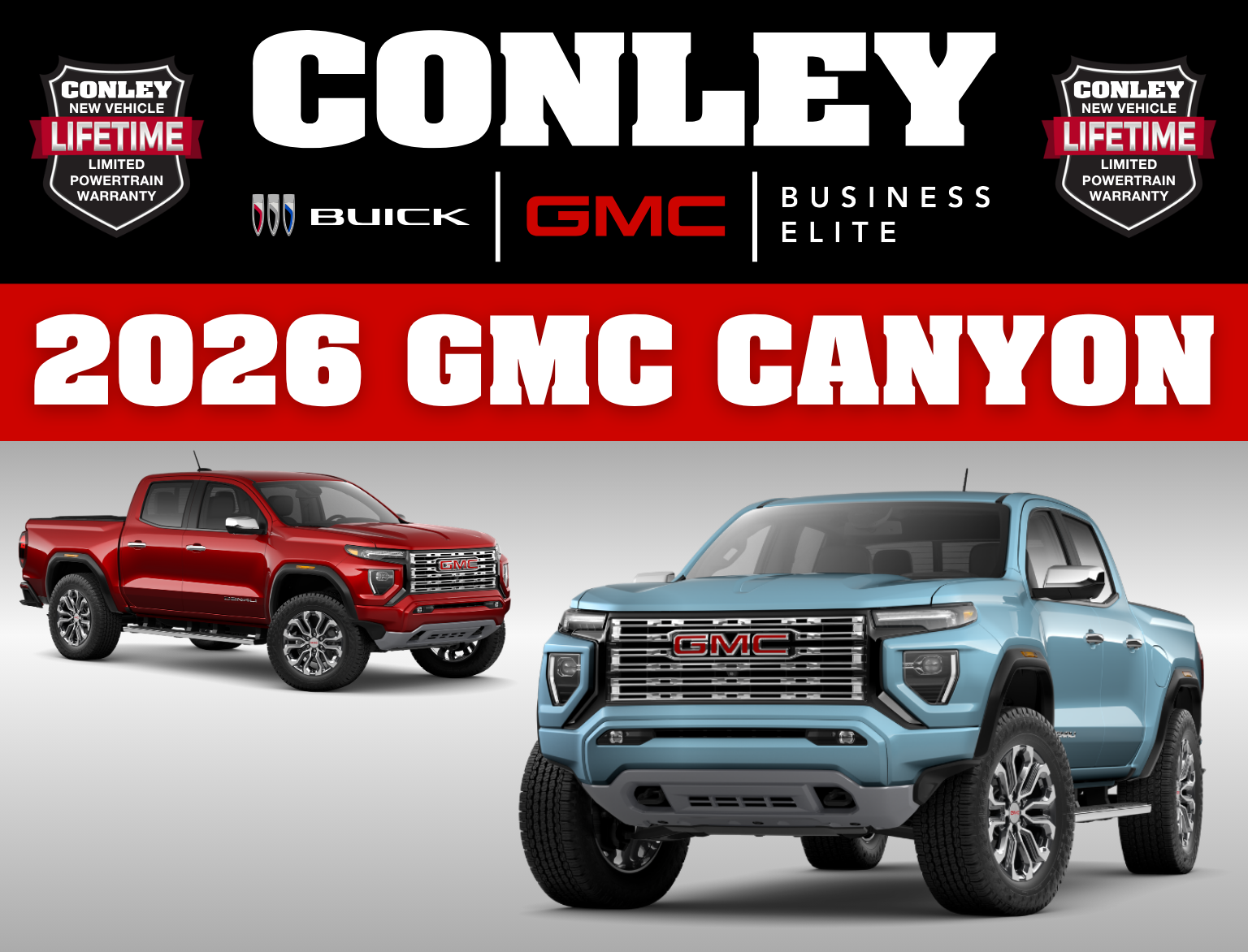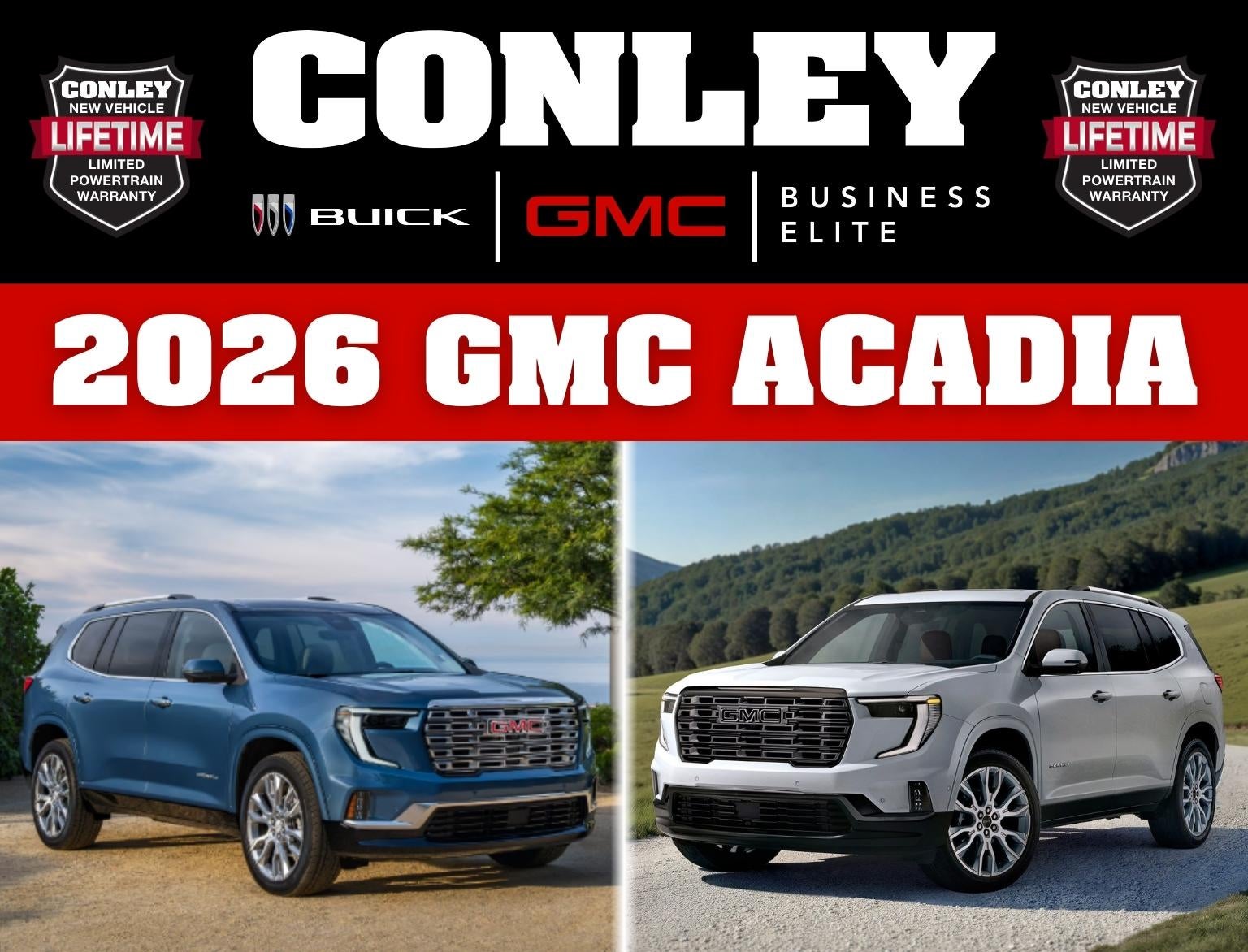



If you've ever shopped for a new vehicle, you've probably seen two numbers advertised more than almost anything else: Horsepower and torque. Manufacturers proudly display them, automotive reviewers debate them, and truck owners argue about them. But what do those numbers actually mean? More importantly—which one should matter to you? The answer depends entirely on how you drive. At Conley Buick GMC, we help drivers find the right vehicle every day, and understanding horsepower and torque is one of the best ways to choose a vehicle you'll love for years to come. more What Is Horsepower? Horsepower measures how quickly an engine can perform work. Think of it as your vehicle's ability to maintain speed and continue accelerating once it's already moving. Higher horsepower generally benefits drivers who enjoy: Quick highway acceleration Confident passing power Higher-speed driving Performance-oriented vehicles If you've ever merged onto I-75 and wanted effortless acceleration, horsepower played a major role. What Is Torque? Torque is rotational force. In simple terms, torque is what gets a vehicle moving. It's what you feel when you accelerate from a stoplight or begin pulling a trailer. Torque matters most when you're: Towing a boat Hauling a trailer Carrying heavy cargo Driving up steep grades Pulling equipment This is why truck buyers often pay more attention to torque than horsepower. Why Diesel Engines Produce So Much Torque One reason the GMC Sierra HD with the available Duramax diesel engine is so respected is its incredible torque output. Diesel engines naturally create more low-end torque than most gasoline engines. That means they don't have to work as hard when pulling heavy loads. For Florida drivers towing: Center-console boats Travel trailers Utility trailers Work equipment Campers high torque translates into a smoother, more confident towing experience. Why Horsepower Still Matters While truck owners often focus on torque, horsepower shouldn't be overlooked. Horsepower becomes increasingly important when: Merging onto highways Passing slower traffic Driving at interstate speeds Maintaining performance under acceleration The best engines strike a balance between both. Florida Drivers Have Different Needs Living on Florida's Gulf Coast creates unique driving situations. Some drivers spend weekends towing boats to Anna Maria Island. Others commute daily between Bradenton, Sarasota, and Tampa. Some simply want a comfortable SUV with enough power to confidently merge into traffic. Different lifestyles require different engine characteristics. That's why GMC and Buick offer several engine options across their lineup. Which Buick or GMC Is Right for You? GMC Sierra 1500 Best for drivers who want an excellent balance of towing capability, horsepower, and everyday comfort. Ideal for: Contractors Boat owners Weekend adventurers Homeowners GMC Canyon Don't underestimate midsize trucks. The Canyon delivers impressive torque and capability while remaining easier to park and maneuver around town. Perfect for: Small business owners Outdoor enthusiasts Daily commuters who occasionally tow GMC Yukon Despite its premium interior, the Yukon remains incredibly capable. Its powerful engine options make towing large boats and campers surprisingly effortless while still providing exceptional passenger comfort. GMC Acadia Families who need confident acceleration, spacious seating, and modern technology often gravitate toward the Acadia. It delivers a great balance between efficiency and performance. Buick Enclave The Enclave focuses on smooth power delivery. Its refined driving experience makes highway travel comfortable while still providing enough power for family vacations and everyday driving. Buick Envista The Envista proves you don't need massive horsepower numbers to enjoy driving. Modern turbocharged engines provide responsive acceleration while maximizing fuel efficiency. For many drivers, this combination makes more sense than chasing the biggest engine available. Bigger Numbers Aren't Always Better One of the biggest misconceptions in the automotive world is that higher horsepower automatically means a better vehicle. That's rarely true. A family commuting around Bradenton probably doesn't need a heavy-duty diesel truck. Likewise, someone towing a 9,000-pound boat shouldn't choose a compact crossover simply because it has respectable horsepower. The "best" engine depends entirely on how you plan to use it. The Best Vehicle Is the One That Fits Your Life That's why conversations matter. Instead of asking, "What's your most powerful vehicle?" Our team prefers asking: What will you tow? How far do you commute? Do you travel often? Do you need three rows? Do you value fuel economy? Do you spend weekends on the water? Those answers tell us far more than horsepower numbers alone. Let Conley Buick GMC Help You Find the Right Balance Whether you're searching for a powerful GMC Sierra, a capable Canyon, a spacious Yukon, or a refined Buick SUV, understanding horsepower and torque helps you make a smarter buying decision. At Conley Buick GMC, our goal isn't to sell you the biggest engine—it's to help you find the vehicle that performs exactly the way you need it to. Because when horsepower, torque, technology, and capability all match your lifestyle, every drive becomes more enjoyable.
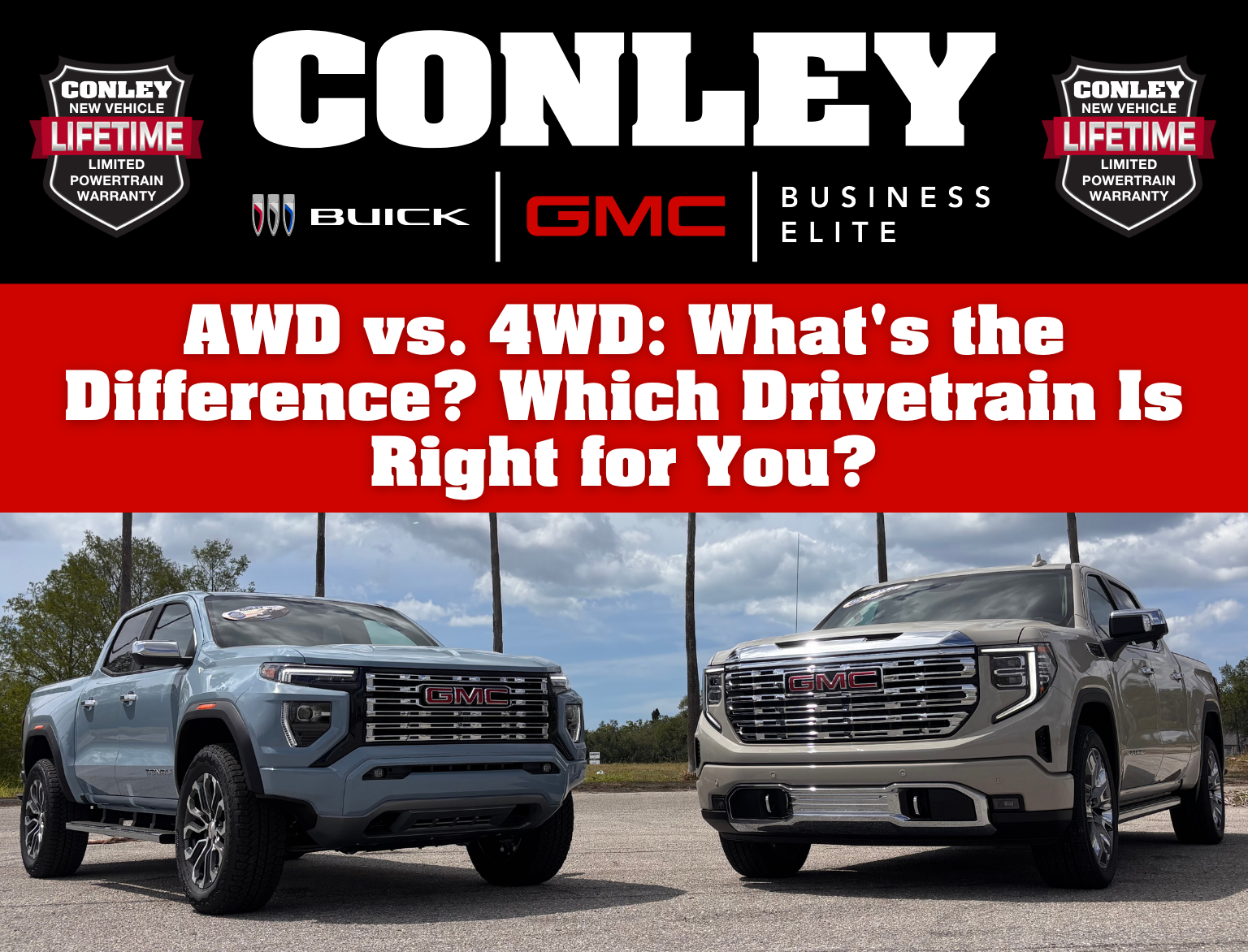
AWD vs. 4WD: What's the Difference? Which Drivetrain Is Right for You?
If you've ever shopped for an SUV or truck, you've probably come across two common terms: All-Wheel Drive (AWD) and Four-Wheel Drive (4WD). At first glance, they sound like the same thing. After all, both systems send power to all four wheels. But the truth is, they're designed for very different purposes. Understanding the difference can help you choose a vehicle that fits your lifestyle, whether you're commuting around Bradenton, heading to the beach, towing your boat, or exploring off the beaten path. At Conley Buick GMC, we often help customers compare AWD and 4WD models. Here's what every driver should know before making a decision. more What Is All-Wheel Drive (AWD)? All-Wheel Drive is a system that automatically sends power to all four wheels whenever additional traction is needed. Unlike traditional four-wheel drive systems, AWD requires little to no driver input. The vehicle continuously monitors road conditions and adjusts power delivery almost instantly. If one wheel begins to slip, the system automatically transfers power to the wheels with the most traction. This makes AWD ideal for everyday driving and changing road conditions. Benefits of AWD AWD offers several advantages for daily drivers, including: Improved traction on wet roads Better handling during heavy rain Increased confidence on slippery pavement Enhanced cornering stability Automatic operation with no buttons or levers to engage For many Florida drivers, AWD provides added confidence during sudden summer downpours without changing the way they drive. What Is Four-Wheel Drive (4WD)? Four-Wheel Drive is built with capability in mind. While AWD focuses on everyday traction, 4WD is designed to tackle challenging terrain and demanding workloads. Most 4WD systems allow the driver to manually engage four-wheel drive when conditions require it. Many also include a low-range gear (4LO), providing additional torque for difficult situations. This makes 4WD especially useful when driving through: Deep sand Mud Loose gravel Uneven trails Boat ramps Construction sites Off-road terrain It's the system trusted by contractors, outdoor enthusiasts, and anyone who regularly ventures beyond paved roads. AWD vs. 4WD: What's the Biggest Difference? The easiest way to think about it is this: AWD is designed for confidence. 4WD is designed for capability. AWD continuously works in the background to improve traction during everyday driving. 4WD is engineered to help vehicles conquer terrain where standard drivetrains simply can't. Which System Is Better for Florida? Many people assume Florida doesn't require either system because snow is rarely an issue. In reality, Florida presents plenty of driving situations where additional traction is beneficial. AWD Is Great For: Heavy rain Slick roads Daily commuting Family road trips Weekend travel Driving confidence 4WD Is Great For: Boat owners Beach driving (where permitted) Hunting property Construction sites Campgrounds Towing heavy trailers Off-road adventures For many Florida drivers, the answer depends more on hobbies than weather. Buick Models with Available AWD Buick has embraced AWD across much of its SUV lineup. Drivers looking for added confidence during daily driving can find available AWD on popular models like: Buick Encore GX Compact, efficient, and easy to maneuver, the Encore GX offers available AWD for drivers who want added traction without sacrificing fuel economy. Buick Envision The Envision pairs premium comfort with available AWD, making it an excellent choice for commuters and families alike. Buick Enclave With three rows of seating and available AWD, the Enclave is built for families who enjoy road trips and everyday versatility. These vehicles prioritize comfort, refinement, and confidence over extreme off-road capability. GMC Models with Available AWD Many GMC SUVs also offer AWD for drivers who want improved traction while maintaining excellent on-road performance. Popular models include: GMC Terrain GMC Acadia GMC Yukon These SUVs combine premium interiors, advanced safety technology, and intelligent AWD systems that help drivers stay confident in changing road conditions. GMC Trucks Offer True 4WD Capability When capability becomes the priority, GMC trucks shine. GMC Canyon The Canyon offers available four-wheel drive for drivers who want midsize maneuverability without sacrificing off-road confidence. Whether you're launching a boat or heading down a remote trail, the Canyon is ready. GMC Sierra 1500 The Sierra 1500 is one of the most versatile trucks on the road. Available 4WD systems make it ideal for towing, hauling, job sites, and outdoor adventures. Many trims also include selectable drive modes that optimize performance for different surfaces. GMC Sierra HD When serious towing and heavy-duty work are involved, the Sierra HD delivers exceptional capability. Its available 4WD system helps drivers maintain confidence while towing equipment, campers, horse trailers, or large boats. Do AWD and 4WD Affect Fuel Economy? Generally speaking, yes. Because both systems add weight and additional drivetrain components, they may slightly reduce fuel economy compared to two-wheel-drive models. However, advances in engineering have significantly improved efficiency. Many modern AWD systems disengage portions of the drivetrain when extra traction isn't needed, helping maximize fuel economy during normal driving. For many buyers, the added confidence is well worth the minimal tradeoff. Which System Requires More Maintenance? Both AWD and 4WD systems are designed to provide years of dependable performance. Routine maintenance typically includes servicing drivetrain fluids according to the manufacturer's recommended schedule. Because 4WD systems are often subjected to heavier workloads—including towing and off-road driving—they may require more frequent inspections depending on how they're used. Following your vehicle's maintenance schedule is the best way to ensure long-term reliability. So...Which One Should You Choose? Ask yourself a few simple questions. Do you mostly drive on paved roads? Do you want added confidence during rainy weather? Do you value a system that works automatically? If so, AWD may be the ideal choice. On the other hand, if you regularly: Tow boats Visit campsites Work on construction sites Drive on sand or rough terrain Need maximum capability then a 4WD truck or SUV may better suit your lifestyle. Find the Right Drivetrain at Conley Buick GMC There's no universal answer to the AWD vs. 4WD debate because every driver has different needs. Some customers prioritize everyday comfort and confidence. Others need serious towing capability and off-road performance. At Conley Buick GMC in Bradenton, our team can help you compare AWD and 4WD models side by side so you can choose the vehicle that best matches your lifestyle. Whether you're interested in a Buick SUV with intelligent All-Wheel Drive or a Professional Grade GMC truck with true Four-Wheel Drive capability, we'll help you find a vehicle that's ready for wherever the road—or trail—takes you.